Airlines Serving JFK International Airport
John F. Kennedy International Airport (JFK) is one of the busiest gateways to New York City, offering nonstop service from leading airlines around the world.
John F. Kennedy International Airport (JFK)
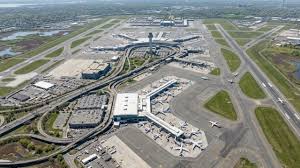
John F. Kennedy Airport is New York City’s principal international gateway and one of the busiest airports in the Western Hemisphere. Located in Queens, just a short drive from Manhattan, JFK has long been the primary entry point for visitors arriving from overseas and a major hub for transcontinental travel. More than a transit facility, JFK is often a traveler’s first real encounter with New York—its terminals, dining, and retail offerings reflect the city’s cultural diversity and global reach.
JFK’s story begins in the post-war era when aviation entered a new, jet-powered age. Originally known as Idlewild, the airport was renamed for President John F. Kennedy in the 1960s and steadily expanded through the decades as international travel grew. Over time, terminals were added, runways lengthened, and airlines established global routes that linked New York to Europe, Asia, Africa, Latin America, and the Middle East. That history of continual growth has made JFK both iconic and operationally complex, requiring ongoing investment and planning.
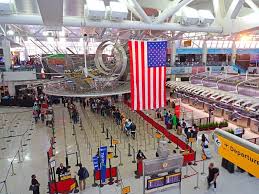
The airport today is a study in contrasts—mid-century architecture and modern glass concourses sit side by side, and boutique retail is found next to essential traveler services. Terminals serve different airlines and alliances, each offering lounges, duty-free shopping, and a mix of quick-service and sit-down dining that showcases both international flavors and New York staples. For business travelers, families, and long-haul passengers alike, the range of amenities at JFK aims to make long connections and international arrivals more comfortable.
Getting to and from JFK has improved dramatically in recent years. The AirTrain links terminals to regional rail, subway connections, and the Long Island Rail Road, giving travelers reliable, ticketed access into Manhattan and neighboring regions. Taxis, app-based ride services, express buses, and private shuttles provide alternatives for door-to-door trips, while car rental centers and on-site parking serve visitors with different needs. Ongoing roadway and transit projects are designed to reduce congestion and make ground access faster and more predictable.
JFK also plays a major role in air cargo and logistics, supporting retailers, hospitals, and manufacturers across the metropolitan area. The airport’s cargo facilities move everything from time-sensitive medical supplies to designer goods, and freight operations help sustain New York’s retail and manufacturing sectors. This cargo activity creates jobs and underpins a significant portion of the region’s economy, making JFK an economic engine as well as a travel hub.
In recent years the Port Authority and airport stakeholders have launched multi-billion-dollar modernization programs intended to bring JFK into the 21st century. Plans include new, consolidated terminals, upgraded security and customs processing, improved signage and passenger flow, and enhanced retail and dining experiences. These projects emphasize passenger convenience and resilience—upgraded technology, better wayfinding, and measures to handle peak travel volumes more smoothly.
Sustainability and resilience are increasingly part of JFK’s development agenda. New construction projects aim to reduce energy use, incorporate sustainable materials, and improve storm resilience in response to climate risks. Initiatives such as electrifying ground service vehicles, improving waste management, and adopting energy-efficient systems in terminals are steps the airport is taking to lower its environmental footprint while handling future growth.
For travelers, a few practical tips can make a big difference: allow ample time for international connections, check terminal and gate information before you travel, and use the AirTrain for a budget-friendly link to city transit. Families and passengers with reduced mobility should take advantage of advance airline assistance programs and the airport’s accessibility services to ensure smoother transfers. During busy travel seasons, planning around peak times and making dining or lounge reservations when possible can reduce stress.
JFK’s cultural footprint extends beyond flights: converted landmarks like the TWA Flight Center bring together aviation history and hospitality, while airport art programs and locally curated concessions reflect New York’s creative energy. For many visitors, a short layover is an unexpected chance to sample food or pick up a gift that celebrates the city they’re visiting. Those small moments help the airport tell a broader story about New York itself.
As JFK continues to expand and modernize, its role as a global connector remains central to New York City’s identity. Investments in infrastructure, passenger experience, and sustainability are designed to help the airport meet growing demand without sacrificing service quality. Whether arriving for business, visiting family, or starting an international journey, passengers passing through JFK will find an airport that is continually adapting—rooted in history, yet built for the future.
JFK Terminals (Quick Overview)
JFK has multiple passenger terminals, each serving different airlines and routes; always confirm your terminal before you travel because assignments can change.
- Terminal 1 — A major international terminal serving many global airlines with extensive duty-free shopping and long-haul services.
- Terminal 2 — Formerly used primarily for domestic Delta operations and has been phased out as JFK modernization consolidates terminals.
- Terminal 4 — One of JFK’s busiest international hubs, known for wide-ranging airline service, shopping, dining, and major arrivals processing.
- Terminal 5 — JetBlue’s flagship terminal, recognized for modern design, convenient amenities, and many domestic plus select international flights.
- Terminal 7 — A smaller international terminal that historically served several foreign carriers and is transitioning as redevelopment continues.
- Terminal 8 — The primary American Airlines hub at JFK, offering many international routes, premium lounges, and extensive gate capacity.
Tip: The AirTrain connects all active terminals, parking, and transit links—use it to move between terminals if your itinerary requires it.