




Newark Liberty International Airport (EWR)
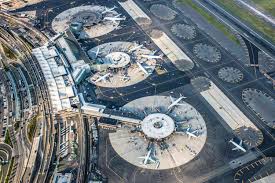
Newark Liberty International Airport , located in Newark, New Jersey, stands as one of the major gateways to New York City and the surrounding metropolitan region. Opened in 1928, it was the nation’s first major commercial airport and has played a central role in American aviation history. Its proximity to Manhattan—less than 15 miles away—makes it a critical hub for travelers heading into New York, New Jersey, and beyond. Over the decades, Newark has transformed from a pioneering airfield into a sophisticated international airport serving tens of millions of passengers each year.
Originally known simply as Newark Airport, it became “Newark Liberty International” in 2002 to honor the victims of September 11 and to symbolize the freedom of travel. The name also reflects its view of the nearby Statue of Liberty across New York Harbor. Newark’s legacy is tied closely to innovation—its early adoption of paved runways, lighting systems, and passenger terminals set standards that shaped modern airport design nationwide.
Today, Newark Liberty is a major hub for United Airlines and a primary connection point for domestic and international flights. Passengers can reach hundreds of destinations worldwide through nonstop service, from major European cities like London, Frankfurt, and Paris to destinations in Asia, Africa, and South America. United’s Terminal C serves as a centerpiece of operations, featuring upgraded lounges, high-end dining, and modern check-in technologies that streamline travel for both business and leisure passengers.
Accessibility is a key advantage for Newark travelers. The AirTrain Newark system links all terminals to New Jersey Transit and Amtrak trains at Newark Liberty International Airport Station, providing direct rail connections to New York Penn Station, Philadelphia, and other East Coast destinations. For those driving, the airport’s location near the New Jersey Turnpike and Interstate 78 ensures straightforward access from multiple directions, while parking, rental car, and shuttle options make ground travel flexible and efficient.
Beyond passenger service, Newark Liberty is a major hub for air cargo operations. Its freight terminals handle millions of tons of goods annually, supporting businesses throughout the New York–New Jersey region. Pharmaceuticals, electronics, perishables, and e-commerce shipments move through Newark daily, making it one of the most important logistics centers on the East Coast. This cargo activity drives local employment and contributes significantly to the regional economy.
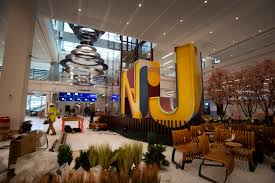
In recent years, Newark Liberty has undergone an ambitious modernization program led by the Port Authority of New York and New Jersey . The new Terminal A—one of the largest infrastructure investments in the region—sets a new standard for passenger comfort, sustainability, and technology. With improved lighting, expanded security areas, digital signage, and local art installations, the terminal reflects both New Jersey’s heritage and the future of air travel. Together, these upgrades reinforce Newark’s identity as a vital, evolving gateway to the New York metropolitan area.
Newark Liberty International Airport (EWR)
Newark Liberty International Airport (EWR) is one of the three major airports serving the New York City metropolitan area and a key hub for both domestic and international travel. Located in Newark, New Jersey, just across the Hudson River from Manhattan, EWR provides extensive airline service, long-haul international routes, and convenient rail connections into New York City. As one of the oldest continuously operating commercial airports in the United States, Newark Liberty plays a vital role in regional and global aviation.
Terminals at Newark Liberty International Airport
Newark Liberty International Airport operates three main passenger terminals—Terminal A, Terminal B, and Terminal C—each serving different airlines and travel needs. Clear signage, AirTrain access, and modern facilities help passengers move efficiently between terminals and onward connections.
Terminal A is Newark’s newest terminal and represents one of the largest airport infrastructure investments in the region. Designed with sustainability and passenger comfort in mind, Terminal A primarily serves domestic flights and select international routes. Features include spacious security checkpoints, abundant natural light, modern dining options, and technology-driven wayfinding that simplifies the travel experience.
Terminal B handles most international arrivals and departures at Newark. It is home to many foreign carriers and includes U.S. Customs and Border Protection facilities for international passengers entering the country. Travelers arriving at Terminal B will find duty-free shopping, international dining options, and direct AirTrain connections for onward travel.
Terminal C is the primary hub for United Airlines and serves both domestic and international flights. Known for its modern design and passenger-focused amenities, Terminal C features United Polaris lounges, streamlined boarding areas, upgraded baggage systems, and a wide range of food and retail options catering to frequent flyers and long-haul travelers.
All terminals at Newark Liberty are connected by the AirTrain Newark, allowing passengers to move between terminals, parking facilities, rental car centers, and rail connections with ease. Travelers are encouraged to verify terminal assignments with their airline prior to arrival, as changes can occur.
