




Antique Markets & Fairs of New York City
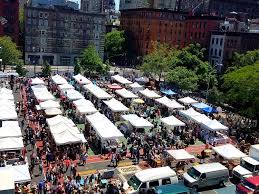
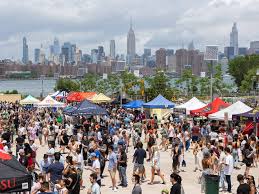
New York City isn’t just home to chic boutiques and designer stores — it’s a paradise for vintage lovers and treasure hunters. Across Manhattan, Brooklyn, Queens, and beyond, antique markets and fairs bring history to life: filling streets, warehouses, community centers, and even parks with relics from the past. From mid-century furniture to vintage jewelry, old maps to industrial artefacts — the city’s fairs are a rotating showcase of global and local history, style, and craftsmanship.
Whether you’re a collector hunting for rare finds or a first-time visitor curious about vintage treasures, NYC’s antique markets offer a unique, immersive experience that no ordinary store can match.
Where to Explore: Top NYC Antique Markets & Fairs
Here are some of the go-to markets and fairs where you can find antiques, collectibles, and vintage finds:
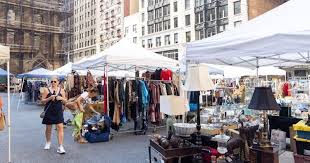
Weekly & regular flea markets — bustling open-air or indoor markets where dozens of independent sellers gather. Great for affordable furniture, decor, books, vinyl, and miscellaneous collectibles.
Seasonal & pop-up antique fairs — spring and fall especially are popular times for curated fairs in community centers, parks, or converted warehouses. These often feature higher-end dealers, rare antiques, and unique one-of-a-kind items.
Multi-vendor antique warehouses & co-ops — large indoor spaces where multiple vendors display a wide range of items: furniture, art, housewares, jewelry, and more — ideal for browsing under one roof.
Estate sale markets & auction-based fairs — for serious collectors looking for rare, older, or historically significant pieces. Offers include estate furniture, period décor, and vintage art.
Specialty collectible fairs — for niche interests like vintage clothing, vinyl records, industrial pieces, architectural salvage, art prints, or mid-century design.
Scroll down for tips on how to make the most of your visit — and for a curated checklist before you go.
What You Might Find — Typical Treasures & Hidden Gems
Antique markets in NYC are treasure chests. Items you might encounter:
Rustic farmhouse furniture, reclaimed wood tables, vintage desks, chandeliers and lamps.
20th-century mid-century modern chairs, tables, art-deco lighting and décor.
Old maps, architectural drawings, framed prints, nautical and travel memorabilia.
Vintage jewelry — from costume pieces to fine estate jewelry, brooches, rings, and more.
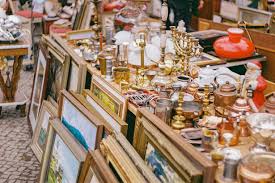
Housewares and kitchenware: antique china, silverware, porcelain, enamelware, vintage glass, servingware.
Books, vinyl records, old magazines, postcards, posters, ephemera, and historical documents.
Industrial relics and salvage: metal fixtures, signage, factory tools — appealing to designers and DIY-restorers.
Unique décor: curios, antiques with patina, timeless design pieces, art, and collectibles that tell a story.
Each visit offers a chance at something unexpected. Inventory changes fast — many dealers rotate items regularly or bring new stock for each fair.
Why Markets & Fairs Are a Different Experience Than Shops
Variety & surprise: Unlike fixed-inventory shops, markets gather many sellers — expect eclectic mixes and the possibility of rare finds.
Price flexibility: Many dealers allow negotiation, especially near closing time or on pricier items. You might find hidden gems at bargain prices.
Interactive & social: You’ll meet vendors (many of them passionate collectors themselves), learn about provenance, get restoration or care advice, and discover item histories.
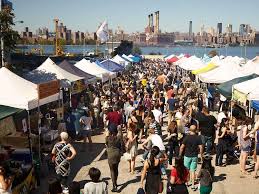
Community vibe: Markets often feel like local events — a mix of serious collectors, casual vintage lovers, designers, and curious shoppers.
Sustainable & unique: Buying antiques supports reuse and sustainability — plus you’re often getting unique pieces that you won’t see mass-produced again.
Smart Tips for Antique Market Shopping in NYC
Bring cash — while many vendors accept cards, cash often gets you better prices and easier negotiations.
Bring measurements of your space (tape measure or photo) before you go — many finds are furniture or large items.
Visit early to get first picks when inventory is fresh; or late, when dealers may discount items.
Inspect items carefully — look for patina, maker marks, signs of restoration, and structural stability (especially for furniture).
Ask questions — about provenance, age, restoration history, and care instructions. A good vendor will share knowledge.
Be ready to transport items — especially larger furniture. Bring protective blankets, padding, or plan for a van/truck if needed.
Have an open mind — sometimes the most interesting treasures are unexpected. Trust your instincts and buy what you love.