Accessibility in New York City
Accessibility in New York City helps ensure that residents and visitors with disabilities can move through the city safely, independently, and with dignity. In practical terms, accessibility includes features like curb cuts, ramps, elevators, accessible entrances, clear signage, and supportive services that reduce barriers in everyday life.
This page provides a clear overview of NYC accessibility, including streets and sidewalks, public buildings and spaces, transportation considerations, and simple steps you can take if you encounter an accessibility barrier.
Streets, Sidewalks, and Crosswalk Accessibility
New York City is constantly changing due to construction, street repairs, and neighborhood improvements, so sidewalk conditions can vary from one block to the next. For many people with disabilities, everyday access depends on safe, predictable sidewalks and crossings.
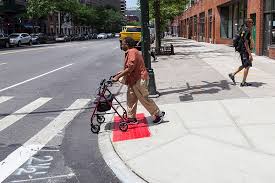
Accessibility features such as curb ramps, tactile warning strips, and clear pedestrian signals help support mobility, vision, and hearing needs across the city.
Common accessibility barriers include broken pavement, uneven sidewalk surfaces, blocked curb cuts, missing ramps, temporary scaffolding, and narrow pathways caused by construction.

Public Buildings, Public Spaces, and Accessible Entrances
Accessibility in NYC also includes public buildings and spaces where people go for essential services and everyday activities. Many locations provide ramps, elevators, accessible restrooms, and alternative entrances designed to reduce barriers.
Accessibility can vary depending on building age and maintenance. An accessible entrance may be on a side street, or an elevator may temporarily be out of service, so planning ahead can help avoid delays.
- Accessible entrances: Level or ramped entries clearly marked for public use.
- Elevator access: Elevators serving all public floors when available.
- Accessible restrooms: Proper spacing and safety features for mobility devices.
- Clear pathways: Hallways and service counters designed for safe navigation.
Transportation Accessibility Overview
Transportation accessibility plays a critical role in daily life for people with disabilities in New York City. Access to buses, subway stations, paratransit services, and accessible taxis allows individuals to reach work, medical appointments, school, and community activities.
While accessibility improvements continue across the city, access can vary by station, route, neighborhood, and time of day. Planning ahead and understanding available alternatives can help reduce delays and unexpected barriers.
Many residents use a combination of transportation options depending on their mobility needs. A dedicated transportation page will provide more detailed information about specific services and accessibility planning tools.
Reporting Accessibility Barriers and Ongoing Improvements
Accessibility across New York City continues to evolve. While many improvements have been made in sidewalks, public buildings, transportation systems, and digital services, barriers still exist. Broken curb ramps, blocked entrances, temporary construction zones, and elevator outages can affect daily mobility and independence.
Reporting accessibility issues helps bring attention to areas that need maintenance or improvement. When residents notify the city about unsafe sidewalks, missing ramps, malfunctioning elevators, or inaccessible entrances, those reports can contribute to future repairs and upgrades.
For non-emergency issues, New York City provides public service reporting tools through NYC 311 . This system allows residents to submit concerns related to sidewalks, street conditions, public property, and other accessibility-related matters.
Individuals seeking broader accessibility resources and guidance may also consult the NYC Mayor’s Office for People with Disabilities , which provides information about city initiatives, community programs, and accessibility standards.
Accessibility is an ongoing effort that depends on collaboration between public agencies, private organizations, and community members. By staying informed, planning ahead, and reporting barriers when they occur, residents help strengthen accessibility throughout New York City for everyone.