





A Timeline of NYC's Garment Industry
New York City's garment industry developed over generations, shaped by immigration, industrial growth, technological changes, labor activism, and the city's emergence as an international fashion center.
Immigration & Clothing Production
Immigrant workers and entrepreneurs helped expand New York City's clothing industry. Small workshops, tailoring businesses, and garment factories became important sources of employment, particularly on Manhattan's Lower East Side.
The Rise of Mass Production
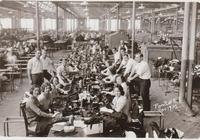
Demand for ready-made clothing encouraged larger factories and more specialized production methods. The industry employed large numbers of workers, including immigrant women, while concerns about wages, hours, and workplace safety grew.
Triangle Shirtwaist Factory Fire
On March 25, 1911, a devastating fire at the Triangle Shirtwaist Factory in Manhattan killed 146 workers. The tragedy became a turning point in public awareness of unsafe working conditions and helped drive workplace safety reforms.
The Garment District Takes Shape
Clothing manufacturers increasingly concentrated in Midtown Manhattan, particularly around Seventh Avenue and nearby streets. Factories, showrooms, suppliers, and wholesalers helped establish the neighborhood's identity as the Garment District.
Fashion & Manufacturing Growth
New York remained a major center of American apparel production. Designers, manufacturers, fabric merchants, and fashion buyers worked within an extensive network of businesses serving the clothing industry.
Changes in Apparel Manufacturing
International competition, rising operating costs, and changes in production methods contributed to a decline in local garment manufacturing. The district increasingly combined production businesses with showrooms, design studios, and other commercial uses.
Preserving a Fashion Legacy
Although the industry has changed, the Garment District continues to support designers, sample makers, textile suppliers, showrooms, and specialized manufacturers. Preservation and industry-support efforts seek to maintain its importance to New York City's fashion economy.
Why the Garment District Matters
The history of New York City's Garment District is about more than clothing. It reflects the contributions of generations of immigrant workers, entrepreneurs, labor organizers, designers, and skilled craftspeople.
The neighborhood helped shape American fashion, employment, manufacturing, and workplace protections. Its remaining businesses continue a tradition of craftsmanship and creativity that has influenced New York City for more than a century.
NYC Fashion Industry History
From Garment Workshops to Fashion Capital
New York City's garment industry helped transform Manhattan into one of the world's leading centers of clothing production and fashion design.
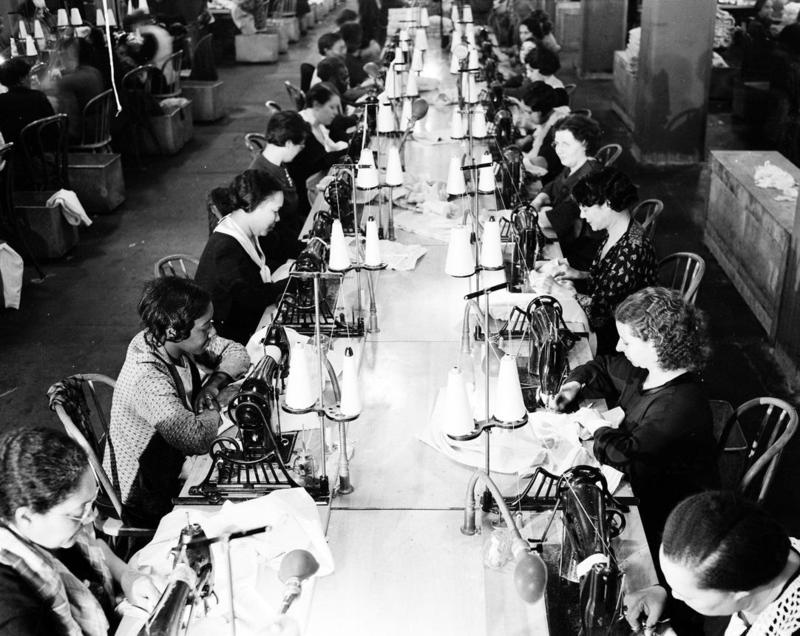
During the late nineteenth and early twentieth centuries, immigrant workers, skilled tailors, and growing clothing manufacturers played essential roles in the industry's expansion.
As production developed, the Garment District became a center for designers, factories, textile suppliers, and clothing wholesalers.